Journal
2026-09-15
What contract-grade materials actually mean for a hotel
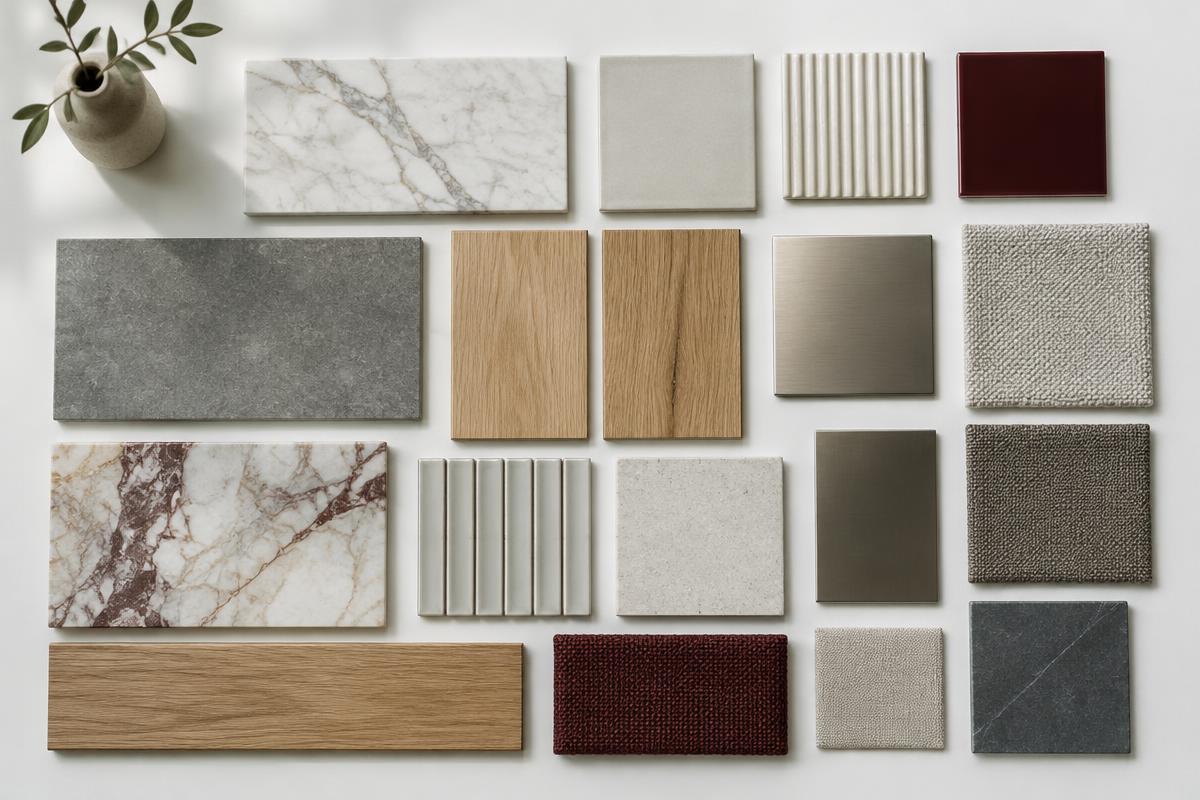
A chair that works in a living room can fail in a lobby within a season. Hospitality puts materials through continuous use, frequent cleaning, luggage carts, humidity, sun and thousands of hands. You rarely see the difference between a lasting material and a weak one in a sample. You see it in the second and third year of operation.
Contract-grade is not a marketing label. It describes tested performance: abrasion resistance on fabrics, scratch and impact resistance on surfaces, load ratings on joinery, slip ratings on floors and moisture tolerance in bathrooms. Across stone, ceramic, wood, fabrics, bathroom materials and hardware, there are products specified for contract use and products that are not.
The most expensive mistakes are quiet ones. A residential-grade floor finish that dulls after the first deep clean. A door handle that loosens in six months. A bathroom surface that stains. None of these fail on day one; all of them fail in front of guests.
This is why specification and buying have to sit together. When the same team that selects the material also negotiates with the manufacturer, the spec sheet includes the tests that matter for hospitality use, not only the tests that photograph well.
It is also why factory quality control matters before anything ships. Batch variations in stone, colour drift in fabrics and inconsistencies in metal finishes are normal production risks that may only become obvious after installation. A factory check catches them before they reach the property.
Our rule is simple. Specify for the second year of operation, not only for the day of handover. Guests do not see the specification. They notice whether the room still works well.